GENERAL
Caricatronchi: Art, Satire, and Cultural Commentary

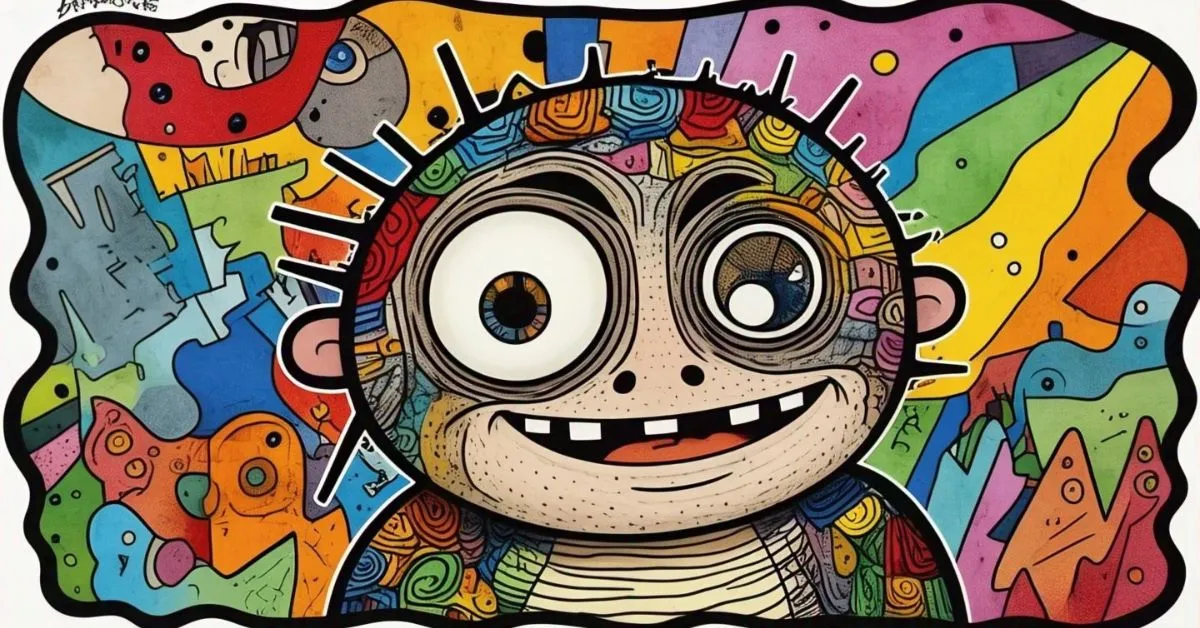
In the rapidly shifting world of contemporary art and culture, new forms of expression continue to emerge and challenge traditional boundaries. One of the most unique and conversation-sparking movements to arise is a genre that blends satire, exaggerated visuals, and cultural commentary: Caricatronchi. With its roots in both classical caricature and modern digital storytelling, this style reimagines how we look at ourselves and the society we inhabit.
At its core, this movement is more than just funny faces or distorted shapes. It’s a cultural critique wrapped in laughter, an artistic language that uses exaggeration to uncover truth. While the aesthetic may appear playful or absurd on the surface, it often delivers sharp insights about identity, power, and the absurdities of modern life.
This article explores the historical roots, stylistic features, cultural relevance, and future potential of this fascinating approach to art and expression.
The Origins: A Tradition of Satire with a New Voice
To understand where this style comes from, it’s essential to look back at the long-standing tradition of caricature. Artists like Honoré Daumier and James Gillray used visual exaggeration to comment on politics, social norms, and power structures. Their work functioned both as entertainment and critique, often giving the public a voice in challenging times.
Fast-forward to the 21st century, and artists are now using digital tools to expand that legacy. The digital realm offers a new canvas for this exaggerated expression, blending the past with the present.
Graphic tablets, animation software, and social media allow for rapid creation and even faster distribution. Within this ecosystem, a form like Caricatronchi found its footing, using these tools to create a distinct blend of caricature, comics, and visual journalism.
Artists in this movement often position themselves as cultural commentators. Their work might reflect issues such as consumerism, climate change, or political hypocrisy. Yet, even the most biting critique comes wrapped in humor or absurdity, which makes it both approachable and impactful.
Visual Style
The hallmark of this style lies in its visual vocabulary. Exaggerated proportions, contorted faces, and surreal environments are all common tools used to amplify the emotional message of the artwork. Eyes may bulge with anxiety; limbs might stretch unnaturally to emphasize imbalance or excess; colors are often jarring and bold.
What sets this aesthetic apart from traditional caricature is its narrative quality. Each piece tells a story—sometimes in a single frame, sometimes as part of a longer sequence. Rather than simply ridiculing, the style creates a fictionalized mirror of reality that invites reflection.
The characters, though fantastical, embody very real human experiences: stress, vanity, confusion, joy, and despair.
Often, the use of mixed media or hybrid styles (combining photography, digital painting, and typography) further enhances the impact.
The result is a layered and multifaceted approach that captures the chaos and complexity of the modern world in a way few other styles can.
Cultural Commentary in Colorful Form
One of the most compelling aspects of Caricatronchi is its role as a cultural barometer. It often takes aim at the absurdities of contemporary life—things like influencer culture, corporate jargon, or political theater—and stretches them to their logical extremes. The humor is not just in what’s being shown, but how it’s shown.
In one instance, a series might explore the relentless chase for social media validation, depicting characters whose heads have been replaced with like buttons or whose limbs have become smartphone chargers.
In another, the culture of self-optimization might be portrayed through grotesque avatars locked in endless loops of productivity hacks.
The use of irony and hyperbole makes complex topics more digestible. Viewers may laugh at the absurdity, only to realize later how closely the themes reflect their own lives.
This blend of entertainment and insight is what gives the style its lasting appeal. It entertains, but it also provokes thought.
A Global Audience in a Digital Era
Thanks to social media and online galleries, the global reach of this movement has grown substantially in recent years. Artists from different cultural backgrounds bring their own local nuances to the work, making it an ever-expanding conversation.
What began as a regional curiosity has evolved into a worldwide community of creators and fans.
The accessibility of tools has also contributed to the democratization of the form. Aspiring artists can start creating with a smartphone and a stylus, and share their work instantly.
Hashtags and online challenges help bring visibility, and digital collaborations often emerge between artists in different parts of the world.
Interestingly, this widespread appeal hasn’t diluted the message. On the contrary, the global nature of modern absurdity—climate denial, algorithmic bias, political extremism—makes the themes universally resonant. The work continues to function both as a critique of local culture and a commentary on global issues.
The Emotional Layer: Humor with a Purpose
While much of the appeal lies in visual wit and sharp commentary, there’s also an emotional core that shouldn’t be overlooked. The exaggerated features and scenarios are often metaphors for internal struggles. Anxiety, imposter syndrome, body image issues—all are themes that frequently surface.
By presenting these struggles in a humorous or fantastical form, the art creates a space for empathy. Viewers may see a version of their own stress in a character whose eyes are spiraling out of their head.
Or they may recognize the pressure to conform in a figure being squashed into a corporate suit two sizes too small.
This emotional resonance adds depth and ensures the work is more than just surface-level satire. It offers a moment of recognition—a way to laugh at, and perhaps even heal from, the pressures of contemporary life.
Critical Reception and Academic Interest
Though still relatively niche, the movement has begun to draw attention from critics, curators, and scholars. Exhibitions have popped up in major art capitals like Berlin, New York, and Tokyo, often paired with discussion panels and workshops.
Academic papers explore its use of satire as a coping mechanism in the digital age or its subversive strategies against capitalist realism.
In this way, Caricatronchi is carving out a legitimate place for itself in the contemporary art world. It blurs the lines between high and low culture, fine art and internet meme, and in doing so, it raises questions about what art is supposed to do.
Must it always be beautiful? Or can it be grotesque, funny, and still deeply meaningful?
It’s precisely this challenge to the norm that makes the movement exciting. It demands new criteria for evaluation—ones that consider audience impact, social commentary, and emotional resonance alongside technical skill.
Future Potential: Where Does It Go From Here?
The future of this genre seems as unpredictable and inventive as the artwork itself. As new technologies like AI-generated art and virtual reality become more mainstream, we can expect to see these tools integrated into the practice.
Imagine immersive installations where visitors can walk through a three-dimensional satirical landscape, or AI characters that adapt their exaggerations based on viewer interaction.
Furthermore, as societal challenges evolve—be it through economic shifts, climate crises, or technological upheaval—there will always be fresh material for satire and storytelling.
The need for voices that can critique, amuse, and enlighten will remain strong.
There’s also potential for crossover with other disciplines. Theater, fashion and even architecture could adopt the whimsical distortions and thematic depth characteristic of this style.
Already, we see stage performances and clothing lines inspired by the exaggerated aesthetic, pushing its influence beyond galleries and into the cultural mainstream.
Conclusion
In a world often dominated by curated perfection and algorithmic predictability, this creative movement offers something refreshingly honest. Through exaggerated visuals, narrative depth, and biting humor, it invites us to look at ourselves and our world with fresh eyes.
Whether it’s mocking the absurdity of tech culture, portraying the anxieties of daily life, or simply making people laugh, Caricatronchi serves as a vital tool for both critique and connection. It reminds us that sometimes, the best way to understand something serious is to laugh at it first.
As more artists adopt this lens and more audiences resonate with its messages, it’s clear that this isn’t just a passing trend. It’s a growing force in contemporary art and culture—one that reflects our reality with all its beauty, madness, and meaning.
FAQs:
Is Caricatronchi a form of traditional caricature?
Not exactly. While it shares roots with traditional caricature, it combines narrative storytelling, satire, and mixed media to reflect modern life more deeply.
Can anyone create this style of art?
Yes! The style thrives on creativity and exaggeration. With basic tools and a unique perspective, anyone can start creating.
Does Caricatronchi always involve humor?
Humor is a key element, but it’s often used to highlight deeper emotional or social truths. It blends fun with insight.
Where can I see examples of this style?
Many artists share their work on social media platforms, online galleries, and during special exhibitions in contemporary art museums.
Is this style only digital?
No. While it’s popular in digital formats, some artists work with physical media like ink, paint, and collage, giving the movement even broader creative scope.

Every Paralympic Games begins with a spectacle that sets the tone for competition and inspiration. A 2022. évi téli paralimpia megnyitó ceremóniája was no exception, offering a breathtaking mix of art, symbolism, and human spirit. Held in Beijing at the iconic Bird’s Nest Stadium, the opening ceremony went far beyond tradition—it was a reminder of resilience, diversity, and unity at a time when the world needed it most.
From dazzling performances to the symbolic lighting of the Paralympic flame, the ceremony highlighted the importance of inclusion and the power of sport to bring nations together. It wasn’t just about starting a competition; it was about sending a global message of courage and hope.
The Venue: Bird’s Nest Stadium Reimagined
The National Stadium of Beijing, famously known as the Bird’s Nest, once again became a global stage. Having hosted the 2008 Summer Olympics, the arena was already a landmark in sports history. In 2022, it was transformed with advanced technology and innovative accessibility measures, ensuring that both athletes and spectators could experience the magic.
The use of LED projections and giant screens turned the stadium floor into a living canvas. Meanwhile, ramps, designated seating, and sensory-friendly areas showed the world how inclusivity could be integrated into design. This balance of tradition and modernity gave the venue new life, making it not just a stadium but a symbol of progress.
Theme & Symbolism: “Together for a Shared Future”
The theme of the ceremony was “Together for a Shared Future.” This motto reflected the global desire for unity, especially after the challenges of the COVID-19 pandemic. The message resonated far beyond the stadium, reminding people worldwide that inclusion and solidarity remain essential values in society.
One of the most striking visual elements was the snowflake motif. Snowflakes, each unique yet united in a single form, symbolized the individuality of every athlete while also highlighting the beauty of collective strength. It was a powerful reminder that diversity is not a weakness but a source of resilience and unity.
Parade of Athletes: Nations on Display
The Parade of Athletes was one of the most emotional moments of the evening. Competitors from 46 nations proudly carried their flags, showcasing not only their athletic determination but also their cultural pride.
Some delegations, like those from the United States, Canada, and Germany, were large and full of seasoned athletes. Others, such as Lithuania, Kazakhstan, and Mexico, brought smaller but equally spirited groups. The crowd gave a particularly warm welcome to China as the host nation, whose athletes entered the stadium last with pride and energy.

Comparison Table: Delegation Highlights
| Country | Delegation Size | Highlight |
| USA | Large | Veteran Paralympians leading the march |
| Germany | Large | Strong presence in winter sports |
| Lithuania | Small | First-time competitors gaining attention |
| Kazakhstan | Small | Determined delegation with big spirit |
| China (Host) | Large | Received warm and emotional applause |
Artistic Highlights: When Culture Meets Technology
No Paralympic opening is complete without breathtaking performances, and Beijing 2022 delivered a spectacle that combined tradition with innovation. The stadium was illuminated by dazzling light shows, creating patterns that symbolized strength and resilience.
Traditional Chinese music and dance added depth to the performances, reminding viewers of the host nation’s cultural heritage. In addition, disabled performers participated in many acts, making inclusivity an integral part of the show rather than a side note. This creative blend of art and accessibility made the ceremony a true global performance.
The Paralympic Flame: A Snowflake of Hope
The lighting of the Paralympic flame was the emotional climax of the night. Unlike traditional cauldrons, the flame was placed inside a giant snowflake structure. This creative design emphasized peace, unity, and the idea that while every athlete is unique, together they form something extraordinary.
As the flame burned brightly within the snowflake, it reminded audiences everywhere of the resilience and determination that define the Paralympic spirit. This unforgettable moment became a lasting symbol of the Games.
Accessibility & Inclusivity in Action
Accessibility was a core part of the opening ceremony’s design. Organizers worked to ensure that every detail reflected inclusivity, both in the stadium and for global audiences.
Features included ramps, designated seating for wheelchair users, and sensory-friendly zones for people with diverse needs. Technology also played a vital role—real-time captioning and sign language interpreters made the ceremony accessible for those with hearing impairments. These efforts went beyond compliance; they showed that inclusivity can be celebrated and embraced at every level.
Voices & Oaths: Words That Inspire
Beyond the performances and visuals, the ceremony included powerful words from leaders and participants. Athletes, officials, and coaches took solemn oaths, pledging fair play and respect for the Paralympic values.
Leaders of the International Paralympic Committee (IPC) and Chinese officials delivered speeches that emphasized equality, unity, and the importance of building bridges through sport. These words carried weight, setting an inspiring tone for the competitions that followed.
Global Reaction & Media Coverage
Broadcast live across the world, the ceremony drew millions of viewers online and on television. Social media platforms lit up with admiration for the creativity and emotional storytelling of the event. Many viewers described it as not only a sporting celebration but also a lesson in perseverance and hope.
The overwhelmingly positive reaction highlighted how deeply the ceremony resonated with audiences everywhere. It was proof that symbolic performances, when paired with universal values, have the power to connect people across borders.
Comparing Past Ceremonies: Rio 2016, Sochi 2014, Beijing 2008
The Beijing 2022 Paralympic opening ceremony stood out, but it also drew inspiration from past Games. Rio 2016 featured vibrant samba and capoeira performances, celebrating Brazilian folklore. Sochi 2014 offered classical ballet and traditional Russian folk songs. Beijing 2008 showcased Chinese heritage with unmatched precision.
By combining these traditions with cutting-edge technology and inclusivity, the 2022 ceremony set a new standard for creativity and accessibility. It honored the past while pushing forward into the future.
Comparison Table: Past Paralympic Ceremonies
| Year | Host | Highlight |
| 2016 | Rio | Samba & Capoeira celebrations |
| 2014 | Sochi | Russian ballet and folk songs |
| 2008 | Beijing | Traditional Chinese heritage |
| 2022 | Beijing | Snowflake cauldron & inclusivity |
Legacy & Impact: More Than Just a Ceremony
The influence of Beijing 2022 extends far beyond the stadium. The ceremony reinforced the Paralympic movement as a global symbol of inclusivity and equality. For athletes, it marked the start of their competitive journey. For audiences, it was a reminder that courage and determination can overcome any barrier.
Future ceremonies will no doubt draw inspiration from the creativity, symbolism, and accessibility of 2022. It has already become a milestone in Paralympic history, remembered not just for its beauty but for its powerful message.
Conclusion: A Shared Future Through Sport
A 2022. évi téli paralimpia megnyitó ceremóniája was more than an opening—it was a global statement of courage, unity, and hope. From breathtaking performances to the snowflake cauldron, every element carried meaning, reminding the world of the values that drive the Paralympic movement.
As the flame burned in Beijing, it symbolized more than the start of a competition; it represented a collective journey toward inclusivity and resilience. The ceremony’s legacy will live on, inspiring athletes and audiences alike for years to come.
FAQs:
Why was the Paralympic flame placed in a snowflake?
The snowflake design symbolized uniqueness and unity, showing how every individual contributes to a greater whole.
How many countries participated in the 2022 Paralympics?
Athletes from 46 countries proudly took part in the Parade of Athletes.
What was the theme of the Beijing Paralympics opening ceremony?
The theme was “Together for a Shared Future,” representing inclusion and solidarity.
How did Beijing ensure accessibility during the ceremony?
Through ramps, sensory-friendly zones, captioning, and sign language interpreters, the event was made inclusive for all.
How does the Paralympic opening differ from the Olympic opening?
While both feature performances and symbolism, the Paralympic opening emphasizes inclusivity, resilience, and representation of athletes with disabilities.

Picture a classroom buzzing with quiet determination—pens scratching on paper, eyes glued to books. In one corner, there’s always that one student everyone looks up to: the one with perfect grades, sharp problem-solving skills, and a reputation for leadership. In China, there’s a name for this person—Xuebaotou (学霸头)—the “Top Student Leader.”
But Xuebaotou isn’t just an academic label. It’s a cultural identity, an aspirational role model, and, in some cases, a source of immense pressure. As the term gains traction both offline and online, it has transformed into a social phenomenon that reflects deeper truths about education, ambition, and the balance between success and well-being.
What Does Xuebaotou Mean?
The term Xuebaotou is a combination of two Chinese words:
- Xueba (学霸) — “Top student” or “academic achiever”
- Tou (头) — “Head” or “leader”
Put together, Xuebaotou literally means “Head of the Top Students.” It refers to someone who isn’t just academically excellent, but also leads and influences others—whether in study groups, school competitions, or classroom discussions.
While it sounds like a simple title, the social weight it carries is much heavier. In competitive academic cultures, a Xuebaotou is more than a student—they’re a standard, a benchmark for others, and often, a symbol of a school’s pride.
Origins and Cultural Context
The concept of valuing the top student has deep historical roots in Chinese education. During the Imperial Examination System (Keju), scholars competed for prestigious government positions through rigorous testing. The ones who excelled became respected officials, earning status and influence.
Modern-day Xuebaotou is a reflection of that same academic competitiveness—only now, instead of imperial ranks, the rewards are elite university admissions, scholarships, and career opportunities.
In contemporary China, where education is considered a key to success, parents, teachers, and even peers recognize and celebrate a Xuebaotou. However, the expectations placed on them can be intense, turning admiration into pressure.
Traits That Define a Xuebaotou
A true Xuebaotou isn’t just about scoring the highest marks—they embody a mix of skills, habits, and personal qualities that set them apart:
- Consistent Academic Excellence – Their grades are top-tier across all subjects.
- Time Management Skills – They balance schoolwork, extracurricular activities, and sometimes tutoring responsibilities.
- Leadership Ability – They often organize study sessions, mentor classmates, or lead academic clubs.
- Work Ethic and Discipline – They approach studies with focus, persistence, and long-term goals.
- Problem-Solving Skills – They can break down complex topics and explain them to others clearly.
These traits make them role models, but they also come with a cost—burnout, limited social life, and the constant pressure to stay on top.
The Digital Era: Xuebaotou 2.0
In the past, the Xuebaotou was recognized within a classroom or school. Today, they exist on social media, online study forums, and educational livestreams.
Modern Xuebaotou might share:
- Exam preparation tips on Bilibili or Douyin (Chinese TikTok)
- Notes and study schedules on WeChat
- Motivational content for students nationwide
Some have even turned into study influencers—combining academic credibility with personal branding, attracting sponsorships from EdTech companies. This shift shows how the concept has expanded from a local title to a digital persona.
Benefits of Being a Xuebaotou
From an academic and career perspective, the title comes with significant perks:
- University Advantage – Better chances at top-tier institutions.
- Scholarships & Awards – Financial and recognition-based rewards.
- Networking Opportunities – Access to elite academic circles.
- Leadership Development – Skills in communication, teamwork, and management.
These benefits not only help in school but also in long-term professional life.
Challenges and Criticisms
While the role is prestigious, it’s not without its downsides:
- High Stress Levels – Constant performance pressure can lead to anxiety.
- Burnout – Overwork and lack of rest can harm mental and physical health.
- Social Isolation – Sometimes, the role creates distance from peers.
- Unrealistic Expectations – Once labeled, it’s hard to step away without criticism.
In some cases, the Xuebaotou culture can create unhealthy competition, overshadowing the value of collaboration and creativity.
Xuebaotou vs. Xueshen vs. Xuerou
In Chinese slang, different terms describe different kinds of students:
- Xueba (学霸) – Academic achiever
- Xueshen (学神) – “Study god,” an almost mythical level of intelligence
- Xuerou (学弱) – “Weak student” in academics
The Xuebaotou sits between Xueba and Xueshen—realistic in ability but still exceptionally skilled, and with a leadership dimension.
Global Comparisons
Similar concepts exist in other countries:
- Valedictorian (USA) – Top student in a graduating class
- Head Boy/Head Girl (UK) – Academic and leadership role combined
- Dux (Australia/NZ) – Student with the highest overall grades
However, the Xuebaotou concept is unique because it merges leadership, cultural prestige, and sometimes even public influence.
How to Become a Xuebaotou
For students aspiring to this role, here are practical tips:
- Develop a Study Routine – Consistency beats cramming.
- Master Time Management – Use planners or digital apps.
- Help Others – Share notes, lead group studies, mentor classmates.
- Stay Curious – Learn beyond the syllabus to deepen understanding.
- Take Care of Yourself – Balance study with rest, hobbies, and social life.
The healthiest Xuebaotou are those who know when to push hard and when to recharge.
The Future of Xuebaotou
With AI learning platforms, online tutoring, and gamified education, the Xuebaotou role might evolve further. Instead of just leading classmates in person, they could lead virtual study communities with members from across the world.
We may also see a cultural shift—where Xuebaotou represents not just academic excellence, but balanced, well-rounded achievement.
Conclusion
The Xuebaotou will always symbolize academic excellence and leadership, but as education evolves, so should our understanding of success. True achievement isn’t only about grades—it’s about inspiring others, staying curious, and maintaining well-being.
Whether you see them as role models, competitors, or symbols of pressure, Xuebaotou remain a fascinating part of modern educational culture—a blend of tradition, ambition, and the human drive to learn and lead.
FAQs:
What does Xuebaotou mean?
Xuebaotou means “Top Student Leader” in Chinese, referring to someone who excels academically and leads peers.
Is Xuebaotou a compliment?
Yes, it’s generally a compliment, showing respect for a student’s intelligence, discipline, and leadership.
How can someone become a Xuebaotou?
By maintaining high grades, managing time well, and helping classmates with studies.
Is being a Xuebaotou stressful?
It can be, due to high expectations, constant competition, and pressure to stay at the top.
Is Xuebaotou only used in China?
It’s a Chinese term, but similar roles exist worldwide, like valedictorians or head students.

Photeeq Lens flare isn’t just a technical artifact—it’s a powerful visual element that can either elevate or ruin your shot depending on how you use it. Whether you’re a photographer, videographer, or mobile content creator, understanding lens flare is essential to mastering light. This guide explores the science, prevention, creative uses, and editing techniques of lens flare while also covering key tools, filters, and strategies that professionals rely on.
With the rise of smartphones and mirrorless cameras, lens flare has become more common and, in some cases, more deliberate. This article covers not just the classic ghosting and veiling flare but also missed angles like Photeeq lens flare in smartphones, video shoots, and even do-it-yourself hacks to control or enhance it.
What Is Lens Flare and Why Does It Matter?
Lens flare occurs when a bright light source—typically the sun or a strong artificial light—hits your lens at a certain angle and causes scattered reflections within the lens elements. These reflections create various artifacts like glowing orbs, haze, rainbow streaks, or starburst patterns in your image.
Flare can lower contrast and wash out colors, especially in the presence of veiling flare. It can also introduce geometric shapes known as ghosting flare, which varies based on your lens construction. Some photographers see it as a flaw; others embrace it as a creative tool.
The key is knowing when and how to control it. Like depth of field or motion blur, lens flare becomes powerful when used intentionally rather than accidentally.
Understanding the Types of Lens Flare: Veiling, Ghosting, and Sensor Flare
There are multiple types of lens flare, each with distinct visual effects and causes. Understanding the difference is crucial to managing or leveraging them.
Veiling Flare
This type appears as a washed-out haze that reduces image contrast and color saturation. It’s caused when stray light enters the lens from outside the frame. Veiling flare is common during backlit portraits or midday sun.
Ghosting Flare
Seen as multiple circular or polygonal shapes scattered across the frame, ghosting flare comes from internal lens reflections. The more lens elements a lens has, the more likely it is to produce ghosting artifacts.
Sensor Flare (Red Dot Flare)]
Unique to some mirrorless cameras, this occurs when light reflects between the sensor and rear lens elements. It often appears as a colored dot, especially in low-light shots with bright points like streetlights.
Each type has its own mitigation techniques, and they respond differently to lens coatings, hoods, and camera angles.
How to Prevent Lens Flare: 9 Practical Tips
- Use a Lens Hood – The most straightforward way to block stray light. Petal-shaped hoods are particularly effective on wide-angle lenses.
- Reposition the Frame – Slightly shifting your camera angle can eliminate unwanted light sources from affecting your lens.
- Use Prime Lenses – With fewer elements, prime lenses reduce internal reflections, making them less prone to ghosting flare.
- Invest in High-Quality Filters – Cheap UV or polarizing filters often introduce more flare. Stick to multi-coated, premium filters.
- Shield the Lens Manually – Use your hand, a hat, or even a piece of cardboard to block light sources just outside the frame.
- Clean Your Lens – Dust and smudges exacerbate flare by scattering light unpredictably.
- Use Anti-Reflective Lenses – Lenses with nano-coatings significantly reduce flare while improving contrast.
- Avoid Direct Sun at High Apertures – Shooting at f/16 or higher increases the chance of visible starbursts and flare artifacts.
- Shoot at Golden Hour – Softer lighting reduces harsh reflections and flare, while still allowing for beautiful atmospheric effects.
These methods are especially useful when flare is unwanted. But in many cases, flare can enhance your shot—if used right.
Using Lens Flare Creatively in Photography
Far from being a nuisance, lens flare can add warmth, energy, or drama to your photos. Backlighting subjects can create dreamy halos, while shooting into the sun during golden hour creates organic rainbow flares that give images a cinematic feel.
Fashion and lifestyle photographers often embrace flare to evoke mood or intimacy. In landscapes, flare can emphasize the vastness and power of nature, particularly when the sun is low on the horizon.
Creative flare use also includes starburst effects achieved by closing the aperture, framing flare to create leading lines, and even using filters to add diffraction patterns. When flare is part of your visual storytelling, it becomes a signature, not a setback.
Lens Flare in Videography: Control, Style, and Challenges
In video production, lens flare becomes even trickier—and more useful. Directors like J.J. Abrams famously use it to create a sci-fi, high-gloss aesthetic. In cinematography, flare helps bridge transitions, accentuate drama, or guide the viewer’s focus.
But uncontrolled flare in video can be distracting. It may introduce flicker, contrast shifts, or unwanted distractions—especially when moving between angles or cuts.
To control flare in video:
- Use matte boxes with adjustable flags
- Choose lenses with consistent flare behavior
- Apply ND filters to manage exposure without boosting flare
- Test scenes under multiple lighting setups before shooting
When used correctly, lens flare can become a narrative device as powerful as any piece of dialogue.
Smartphone Photography and Lens Flare: What You Need to Know
With smartphones becoming our primary cameras, lens flare behavior has become a hot topic. Modern smartphones feature multiple lenses, small sensors, and digital processing—all of which influence how flare appears.
Smartphone lenses are often more prone to flare because of their compact glass elements and minimal hooding. You may notice ghosting or color streaks when shooting at night, especially around headlights or street lamps.
To reduce flare on mobile:
- Use your hand to block overhead light
- Avoid shooting directly into harsh sources
- Clean your lens thoroughly
- Explore mobile editing apps to correct minor flare
Many mobile users now embrace flare in creative edits, using apps to simulate rainbow effects, glowing orbs, and cinematic haze. Whether captured naturally or added digitally, lens flare is now part of the mobile photography language.
DIY Lens Flare Hacks for Creative Shooters
Don’t have fancy filters or lens hoods? No problem. These DIY tricks can help you manipulate flare with basic tools:
- Use Fishing Line – Attach clear fishing line across your lens filter to create horizontal flare like vintage anamorphic cinema.
- Try Vaseline on Filters – Smear Vaseline on a UV filter (never the lens!) for dreamy diffusion and glowing flare.
- Use Sunglasses – Place polarized sunglasses in front of your lens to cut certain reflections or create cross-polarization effects.
- Shoot Through Glass – Windows or water bottles introduce unique refractive elements that can enhance or control flare.
These hacks are perfect for experimental work, especially in portrait or fashion photography. Just remember to keep your real gear clean and damage-free.
Editing Lens Flare: Removal and Enhancement Techniques
Even with perfect technique, sometimes flare still creeps into your shots. Photoshop and Lightroom offer several ways to remove or enhance it.
To Remove Flare:
- Use the Clone Stamp or Healing Brush to eliminate small artifacts
- Mask and adjust brightness on affected areas
- Use selective contrast or dehaze filters to restore washed-out regions
To Enhance Flare:
- Add artificial flares using lens flare overlays
- Create glow effects using Gaussian blur and blending modes
- Use radial gradients to replicate soft flare falloff
Editing lets you reclaim control—whether you’re erasing distractions or adding cinematic glow.
The Best Lenses and Filters to Handle Flare
If you’re looking to minimize or creatively control flare, consider these gear options:
- Best Lenses:
- Canon RF 50mm f/1.2L (excellent coatings)
- Nikon Z 24-70mm f/2.8 S (great flare resistance)
- Sigma Art primes (fewer elements, controlled ghosting)
- Best Filters:
- B+W Nano Coated UV Filter
- Hoya Pro ND Filters
- PolarPro Quartzline Circular Polarizers
Spending a bit more on filters and lenses with proper anti-reflective coatings pays off in clarity, contrast, and reduced flare.
Conclusion: Embrace or Eliminate—The Choice Is Yours
Photeeq Lens flare is a double-edged sword. For some, it’s a technical flaw to be eradicated. For others, it’s an artistic tool that adds emotion, depth, and dynamism.
Understanding the types of flare, how to control them, and when to lean into them makes you a more versatile photographer or videographer. With the right gear, thoughtful framing, and a creative mindset, you can turn flare from foe to friend.
Whether you’re shooting a sunset with your DSLR, filming a short on your mirrorless camera, or grabbing a cityscape on your phone—lens flare is always one frame away from brilliance.
FAQs:
What causes lens flare in photography?
Bright light hitting your lens at an angle, creating internal reflections and artifacts.
Is lens flare good or bad?
It depends—unwanted flare can ruin clarity, but creative flare adds mood and emotion.
How do I avoid lens flare on my phone?
Shield your lens from light, clean it regularly, and use editing tools to minimize glare.
Can lens flare be removed in Photoshop?
Yes—use cloning, masking, and contrast tools to clean up unwanted flare artifacts.
Are there lenses that prevent flare?
Lenses with advanced coatings and fewer elements—like prime lenses—reduce flare significantly.

 GENERAL9 months ago
Who Is Ash Trevino? The Rise, Life, and Controversy
- ENTERTAINMENT10 months ago
swatapp.me المانجا: The Ultimate Arabic Manga Experience
- ENTERTAINMENT8 months ago
Fapello Explained: A New Platform for Creators
- GENERAL10 months ago
Candizi: Where Color Meets Candy-Inspired Joy
- GENERAL11 months ago
No More Cling: How to Get Rid of Static on Clothes Fast and Safely
- BUSINESS10 months ago
How to Fill Out a W4 for Dummies (2025 Edition): The Easiest Guide You’ll Ever Need
- BUSINESS9 months ago
How Many Oreos Would It Take to Cover the Entire United States?
- GENERAL10 months ago
Rub Ranking Exposed: The Truth You Need to Know